Extension Foundation
  • News
    • Funding Opportunities
  • About
    • Team & Board of Directors
    • Find Extension in Your State
    • Extension Acronyms
    • Contact
  • Member Benefits
    • Current Members
    • Professional Development
    • Leadership and Team Development
    • Campus
      • Campus Procedures
      • Catalog
    • Member Solutions
    • Video Resource Library
  • National Initiatives
    • AgriProspects Workforce Development Network
    • EXCITE
    • FADI-EDEN
    • Impact Collaborative
    • National Program Action Teams
    • NextGen Technical Advising
    • New Technologies for Ag Extension
    • Pesticide Safety Education Funds Management Program
  • Tools
    • Extension Foundation AI
      • ExtensionBot
      • 2025 National AI Report
    • Ask Extension
    • National Cooperative Extension Project Websites
    • National Registry Of Cooperative Extension Programs & Assets
    • Connect
    • Search Extension
    • Team Health Dashboard
  • Publications
  • Services
    • Conference & Event Services
    • Extension Lab
  • Search
  • Menu Menu

Tag Archive for: ntae

ICYMI, #GoodReads from Extension Foundation

News

The Extension Foundation has recently released several new titles on a broad range of topics, from climate and extreme weather to building farm and farm family resilience. Check out our bookshelf to learn more about the work other Extension professionals are doing. 

ICYMI, here are a few recent titles that may interest you.

Sustainable Tourism, Agritourism, Outdoor Recreation, and Community Development. Our newest title is The NET Effect. This 57-page ezine contains eight case studies that explore innovative Cooperative Extension and Sea Grant work in sustainable tourism and outdoor recreation. It features programs from Georgia, Michigan, Minnesota, Oregon, South Carolina, Utah, Vermont, and West Virginia. This magazine is an outcome of a partnership of the National Extension Tourism (NET) design team, the Northeast Regional Center for Rural Development (NERCRD), and the New Technologies for Ag Extension (NTAE) grant program. 

Climate and Extreme Weather. Many of us are considering how our Extension programs can help our clientele adapt to/mitigate the effects of a changing climate and extreme weather events. This report contains a national inventory of Cooperative Extension programs and practices in climate and extreme weather. In addition, it offers Extension educators and upper administration insight regarding successes, challenges, and gaps in programming. 

Program Planning and Team Building. If you’re planning Extension programs, take a peek at Engaged Program Planning for Extension Foundation Impact Collaborative Teams. This publication provides context and guidance on community engagement and team building using the Impact Collaborative methodology. The Impact Collaborative helps Cooperative Extension projects, programs, and initiatives be innovative and community-engaged efforts that result in measurable and visible local impact. Whether you are looking to improve an existing program or expand your reach to new audiences, this publication has ideas to help you develop community-based approaches to problem-solving. 

Digital Communications, Social Media, and Content Strategy. Are you thinking about how to communicate your Extension story? What about social media and digital communications? This publication features content contributed and curated by Extension professionals from around the country. You’ll find perspective pieces about technology use in Extension and practical information about specific social media platforms, SEO, and content strategy.

You can find the entire library of publications here. 

February 20, 2023/by Aaron Weibe
https://extension.org/wp-content/uploads/2022/12/Extension-Foundation-Logo-padded.png 0 0 Aaron Weibe https://extension.org/wp-content/uploads/2022/12/Extension-Foundation-Logo-padded.png Aaron Weibe2023-02-20 16:52:142023-02-21 15:34:39ICYMI, #GoodReads from Extension Foundation

Extension Foundation Announces Year 4 (2022-2023) New Technologies for Ag Extension Projects

News, Newsroom

Fifty-seven applications were submitted by 36 Land-grant universities in response to the RFA shared by the Extension Foundation in April, 2022, for New Technologies for Ag Extension (NTAE). The Extension Foundation will be supporting 39 projects across Cooperative Extension as part of its fourth year of the NTAE program. This program is made possible by funding from USDA National Institute of Food and Agriculture (NIFA) through a partnership with Oklahoma State University and the Extension Foundation, grant no. 2020-41595-30123. This program serves all Land-Grant Universities in the United States. 

The 39 projects represent 27 Land-grant universities including:

  • 1994 Region: 1 project
  • 1890 Region: 5 projects
  • Northeastern Region: 8 projects
  • North Central Region: 11 projects
  • Southern Region: 8 projects 
  • Western Region: 6 projects

All projects receive support from Extension Foundation Catalysts, Coaches, and Key Informants. Catalysts are experienced Cooperative Extension System (CES) Directors and Administrators that provide mentorship and guidance to projects, and Key Informants have subject matter expertise across areas such as publishing, evaluation, partner development, leadership and team development, project management, marketing, and more. Projects have access to these resources to advance their projects.

Through NTAE, the Extension Foundation provides a set of services most projects rarely have access to. The services that create deeper impact, greater leverage for impact and greater sustainability for the project. These services in collaboration with the great ideas and planned projects make for extended successes and sustainability of projects.

2022-2023 New Technologies for Ag Extension Program Awards:

Projects selected for NTAE participate in one of three phases of development and support:

Incubation projects. These projects are still in the idea stage and pre-planning stage.  Work on these projects will take project leaders through an innovation process designed to help them think through their project ideas, audiences, outcomes, and plans. These projects will plan, test, and create a pilot. The Fellowship amount is $5000.

  • Kansas State University, Development of an Application States Can Use to Provide Info. on Food Safety Regulations for Direct to Consumer Food Sales
  • Langston University, Reimagining InterConnectivity Between Langston University and Selected OK Historical Black Towns: Model for Expanding Diversity and Opportunities in Food and Agriculture
  • Lincoln University, Show Me How Resource Library
  • North Carolina State University, A Program Team for Multimedia IPM Outreach
  • North Carolina State University, Building Capacity to Address Broadband Access and Digital Skills in NC Cooperative Extension
  • Oklahoma State University, High Plain Alternative Crops Conference
  • Tuskegee University, Creating a Multi-State Meat Consortium for Producers
  • University of Florida, Climate Smart Landscaping
  • University of Illinois, Developing Climate Relevant Content for Extension Programs
  • University of Illinois, Interoperability Challenges in AgTech
  • University of Kentucky, Female Equestrian Health and Wellness Network
  • University of Maryland, Intergenerational Digital Support for Maryland Growers
  • University of Minnesota, Nourish and Flourish
  • University of Missouri, Home Internet Adoption: Digital Ambassador Program
  • University of Missouri, The Future of Mentorship: Creating Pathways for Professional Mentorship within Cooperative Extension
  • Utah State University, Box Elder Jr Livestock Course
  • Utah State University, Wildlife Across America (WAA): Supporting Stakeholder and Community Connections and Needs
  • West Virginia University, Cultural Competency for Municipalities
  • West Virginia University, Seeing Yourself in the Future – Career Readiness Program.

Acceleration Projects. These projects are in the pre-planning stage and may have been piloted, developed a curriculum, or are in another stage of early implementation. Project Fellows receive $10K to support their project. Acceleration projects will share their content and learning processes with CES through digital engagement and publishing.

  • Auburn University, Alabama Master Naturalist and Underserved Communities
  • Cornell University, The African American Experience: Cultural Competency and Capacity in Extension Executive Leadership
  • Delaware State University, Pollution Prevention and Wastewater Phytoremediation Using an Algal Turf Platform for Improving Sustainable Agriculture Practices in Delaware.
  • Iowa State University, Building Sustainability for ¡Salir Adelante! Caminos a Nuestro Futuro
  • Mississippi State University, Building Grantsmanship Capacity in Underserved Communities
  • North Carolina State University, Creating a Food Safety Consortium: A Multi-State Effort to Support Customers, Home-based Businesses and Retailers
  • Pennsylvania State University, Promotion of Penn State Extension: Utilizing Cooking Demonstrations to Encourage Healthy Dietary Practices
  • University of California-Davis, Increasing Equity-driven Approaches to Food Preservation Programming in California
  • University of Illinois, Developing a Sustainable Model for Community Engaged Dissemination of Health Research to Benefit the Public
  • University of Massachusetts-Amherst, Coordination, Capacity Building and Community Engagement to Expand Extension in Springfield, MA
  • University of Minnesota, Minnesota Well and Septic Class
  • University of Nebraska-Lincoln, Pesticide Safety Training for Nebraska Online
  • University of Nevada, Heart and Hope Family Violence Prevention Program
  • Utah State University, Developing and Testing Confidence-building Challenge Activities for Youth in After-School Settings
  • West Virginia State University, WV Coalfields Trail Town Program
  • West Virginia University, WVU Financial Literacy Education Program

Expansion Projects. These are already-implemented projects that need support to expand into state, regional, or national projects. Each selected project will receive $60,000.

  • Nebraska Indian Community College, Using Animated Pollinator Video to Educate Underserved Populations
  • New Mexico State University, A New Ninja Kitchen: Food Safety for Youth
  • University of Illinois, Building a Culture of Composting in Greater Chicagoland
  • West Virginia University, My Hometown is Cool

To help lead the NTAE Program Accelerator, the Extension Foundation leverages a team of Catalysts that help mentor and guide Extension projects and best connect those projects with the Extension Foundation’s Key Informant resources. Catalysts for 2021-2022 include:

  • Dr. Chuck Hibberd, Retired Dean of Cooperative Extension, University of Nebraska-Lincoln. 
  • Dr. Chuck Ross, Retired Director of Extension, University of Vermont
  • Dr. Dawn Mellion, Retired Vice-Chancellor for Southern University Cooperative Extension.
  • Dr. Dyremple Marsh, Retired College Dean, Research Director, and Extension Administrator, Delaware State University
  • Dr. Fred Schlutt, Retired Vice Provost for Extension and Outreach at University of Alaska Fairbanks
  • Dr. Jimmy Henning, Extension Professor, Former Director of Cooperative Extension Service, University of Kentucky
  • Dr. Rick Klemme, Former Executive Director, ECOP, Former Dean & Director, University of Wisconsin Cooperative Extension
  • Dr. Scott Reed, Emeritus Vice Provost for University Outreach and Engagement, Oregon State University

The Extension Foundation’s Key Informants work directly with teams to provide on-demand professional expertise to support scaling and programming efforts. Key Informant services include support in digital engagement, partnership development, leadership development, marketing, evaluation, and more. 

To learn more about NTAE, please visit extension.org/ntae or connect with the NTAE Project Director, Beverly Coberly, at beverlycoberly@extension.org. Cooperative Extension professionals from all Land-grant universities are invited to join Connect Extension at connect.extension.org/join to stay up to date with the progress of NTAE projects. 

About the Extension Foundation

The Extension Foundation was formed in 2006 by Extension Directors and Administrators. The Foundation partners with Cooperative Extension through liaison roles and a formal plan of work with the Extension Committee on Organization and Policy (ECOP) to increase system capacity while providing programmatic services, and helping Extension programs scale and investigate new methods and models for implementing programs. The Foundation provides professional development to Cooperative Extension professionals and offers exclusive services to its members. In 2020 and 2021, the Extension Foundation has awarded 85% of its direct funding back to the Land-grant university System, 100% of funds are used to support Land-grant university initiatives.


August 23, 2022/by Aaron Weibe
0 0 Aaron Weibe https://extension.org/wp-content/uploads/2022/12/Extension-Foundation-Logo-padded.png Aaron Weibe2022-08-23 14:18:192022-08-23 14:18:19Extension Foundation Announces Year 4 (2022-2023) New Technologies for Ag Extension Projects

ICYMI – Recommended Summer Reading from Extension Foundation

Extension, Impact, News

The Extension Foundation has recently released several new and previously published titles on various topics, from climate and extreme weather to building farm and farm family resilience. Check out our bookshelf to learn more about what other Extension professionals are doing in their work. 

ICYMI, here are a few recent titles that may interest you.

Program Planning and Team Building: If you’re using the summer to plan upcoming Extension programs, take a peek at Engaged Program Planning for Extension Foundation Impact Collaborative Teams. This publication provides context and guidance on community engagement and team building using the Impact Collaborative methodology. The Impact Collaborative is a methodology that helps Cooperative Extension projects, programs, and initiatives to be innovative and community-engaged efforts that result in measurable and visible local impact. Whether your team is looking to improve an existing program or expand its reach to new audiences, the Impact Collaborative process, engagements, and activities provide project teams with tools to develop innovative, community-based approaches to problem-solving. Learn more about the upcoming Impact Collaborative, an entirely virtual event slated for October 4th-6th, 2022. 


Digital Communications: Thinking about how to communicate your Extension story? This publication features curated and original content contributed by Extension professionals from around the country. You’ll find perspective pieces about technology use in Extension and practical information about specific social media platforms, SEO, and content strategy that will enable you to apply what they’ve learned and to take action.


Climate and Extreme Weather: Many of us are considering how our Extension programs can help our clientele adapt to/mitigate the effects of a changing climate and extreme weather events. This report contains a national inventory of Cooperative Extension programs and practices in climate and extreme weather. It offers Extension educators and upper administration insight regarding successes, challenges, and gaps in programming. 


You can find the entire library of publications (now numbering more than two dozen) here. New publications are released regularly, so please check back often.


July 27, 2022/by Aaron Weibe
https://extension.org/wp-content/uploads/2022/12/Extension-Foundation-Logo-padded.png 0 0 Aaron Weibe https://extension.org/wp-content/uploads/2022/12/Extension-Foundation-Logo-padded.png Aaron Weibe2022-07-27 17:01:062022-07-27 17:01:06ICYMI – Recommended Summer Reading from Extension Foundation

New Publication Helps Cooperative Extension Professionals Engage Communities

News, Newsroom

A new publication – Engaging Communities Through Issues Forums: A How-To Guide for Onsite and Online Community Engagement – is available from the Extension Foundation.

The publication explores the use of issue forums as a community engagement tool in Extension work. Both a process guide and content publication, it is a comprehensive “how-to” designed to help Cooperative Extension professionals successfully develop and implement issues forums in both onsite and online settings. Each section of the publication includes Our Story, a narrative of the key lessons learned by the authors. This publication will be of value to Cooperative Extension professionals and other organizations and institutions that are considering ways to increase community engagement to collaboratively address issues.

It was written by a team from the University of Maryland Extension, University of Delaware Cooperative Extension, and Ohio State University who have been involved in a multi-year project. This project has focused on engaging communities in helping to address issues facing farmers and farm families. The authors are Bonnie Braun and Jesse Ketterman from the University of Maryland, Maria Pippidis from the University of Delaware; and Shoshana Inwood and Nicole Wright from Ohio State University. 

As the authors noted, “The need to move from face-to-face to online forums arose with the COVID-19 pandemic. We sought funding and consulting services to enable us to compare outcomes of face-to-face forums with those of an online forum…This project allowed us to test on-site vs online forums, to create this how-to e-Pub, and to offer professional development to those wanting to learn about conducting their own forums.” 

This publication is the second produced by the team for NTAE. The team’s first publication –  Building Farm and Family Family Resilience in our Communities: A Guide for Extension Professionals to Engage Strategically – strengthens the ability of Cooperative Extension professionals to reduce risk and stressors and increase the resilience of farms and farming families with the context of a sociological framework. 

The project was supported by a grant from the New Technologies in Agricultural Extension (NTAE) program. The team was supported in their work by the Extension Foundation. The Northeast Extension Risk Management Educational Center and the Northeast Regional Center for Rural Development provided support for the on-site forums.

Additional titles have recently become available in the Extension Foundation library on topics such as creating mass media campaigns, game-based education, wellness in “tough times,” innovating curriculum, prescribed fire, emergency preparation and response, understanding food labels, and building farm and farm family resilience. You can find the entire library of publications here.

A note about our Publications: 

After listening to the feedback of our Cooperative Extension partners, the new Publication bookshelf serves as a replacement for our old eFieldbook library. We greatly value and appreciate the feedback we received, including eliminating a LinkedIn login to access titles on the bookshelf. All titles are publicly available on our Connect Extension platform. Titles that were on our former eFieldbook bookshelf are in the process of being migrated.

March 7, 2022/by Aaron Weibe
0 0 Aaron Weibe https://extension.org/wp-content/uploads/2022/12/Extension-Foundation-Logo-padded.png Aaron Weibe2022-03-07 13:27:292022-03-07 13:27:29New Publication Helps Cooperative Extension Professionals Engage Communities

Mass Media: Sustaining Pollinators Publication Reissued

News, Newsroom

The Mass Media: Sustaining Pollinators fieldbook published by Extension Foundation in 2020 is now available in a flipping book format to be consistent with other publications on the Extension Foundation’s new Publication Bookshelf on Connect Extension. The publication is a result of a three-year collaboration between the National Pesticide Safety Education Center (NPSEC) and a team from Prairie View A&M University in Texas.

NPSEC has been supporting pollinator health since 2017, primarily via providing education and training materials to Extension programs that teach pesticide applicators how to minimize the risk that pesticides pose to pollinators. The Cooperative Extension Program at Prairie View A&M University partnered with NPSEC to share its pollinator stewardship research and best practices with a consumer audience in a mass media campaign in Texas.

This publication explores the process the team followed to create an effective mass media campaign. Mass media isn’t always an option for Extension programs for many reasons, including cost. The Pollinator Stewardship Pilot, NPSEC, and its media partners demonstrated that market research and mass media campaigns can be within reach for Extension programs.

This publication will be of value to Cooperative Extension professionals who are considering how to use mass/social media campaigns in their work and those who want to learn more about market research resources and audience segmentation. It takes a deep dive into analyzing millennials. In addition, the resource section includes sample blogs and social media posts. Also discussed is the collaboration framework utilized by project members.

The authors are Kara Maddox, Tom Smith, and Courtney Weatherbee from NPSEC, with contributions from Nathan Hermond, Dr. Carolyn Williams, and Dr. Clarence Bunch of Prairie View A&M. A team from several private media companies collaborated on the project, and additional support was provided by two University of Missouri Adzou graduates.

Additional titles have recently become available in the Extension Foundation library on topics such as game-based education, wellness in “tough times,” innovating curriculum, prescribed fire, emergency preparation and response, understanding food labels, and building farm and farm family resilience. You can find the entire library of publications here

A note about our Publications:

After listening to the feedback of our Cooperative Extension partners, the new Publication bookshelf serves as a replacement for our old eFieldbook library. We greatly value and appreciate the feedback we received, including eliminating a LinkedIn login to access titles on the bookshelf. All titles are publicly available on our Connect Extension platform. Titles that were on our former eFieldbook bookshelf are in the process of being migrated.

February 1, 2022/by Aaron Weibe
0 0 Aaron Weibe https://extension.org/wp-content/uploads/2022/12/Extension-Foundation-Logo-padded.png Aaron Weibe2022-02-01 11:07:112022-02-01 11:07:11Mass Media: Sustaining Pollinators Publication Reissued

Extension Foundation 2021 End of Year Update

News, Newsroom

Dear Extension Colleagues,

It has been our pleasure to serve the Cooperative Extension System this past year and we are excited for the work ahead in 2022. We wanted to provide an update to all of you about how the Extension Foundation has partnered with Cooperative Extension this past year and our progress towards making a greater impact on local issues. We thank you all for the work you do everyday in your states and communities, and we wish all of you a happy and restful holiday season. We look forward to serving you in the New Year.

Our Best,

Christine Geith
Chief Executive Officer
Extension Foundation

Gregg Hadley
Chair, Extension Foundation Board of Directors
Associate Professor & Director of Extension
Kansas State University


Recent Success Stories

  • University of Connecticut Food Marketing Labels & Game
  • Southern University Emergency Preparedness (Video)
  • Oregon State University, Siew Sun Wong, Impact Collaborative (Podcast)
  • Ohio State University, Pamela Bennett, Impact Collaborative (Podcast)
  • University of Nebraska-Lincoln, Wellness in Tough Times (Podcast)
  • College of Menominee Nation, Immunization Education
  • Utah State University, Mike Wierda, Pesticide Safety Education (Video)
  • Lincoln University, Nahshon Bishop, 1890 Extension Leadership Academy (Podcast)
  • Kentucky State University, Sheri Crabtree, 1890 Extension Leadership Academy

2021 Publications

  • New Mexico State University & University of Connecticut, Collaborative Design in Extension: Using a Modified Game Jam to Explore Game-Based Learning
  • University of Nebraska-Lincoln, Wellness in Tough Times Toolkit
  • Oregon State University,The Google Earth Pro Pilot A Model for Creating Innovative Extension Curriculum
  • Southern University, Emergency Preparedness, Response, and Recovery: Creating a Virtual Conference for Low-Resourced Communities
  • University of Connecticut, Navigating the Grocery Store Aisle: Understanding “Non-GMO” & Other Food Labels
  • North Carolina State University, The Juntos Program: An Extension Program’s Journey to Serving a Growing Community
  • Oregon State University, Prescribed Fire Education & Training: From the Extension Fire Program at Oregon State University
  • University of Delaware & University of Maryland, Building Farm and Farm Family Resilience in our Communities: A Guide for Extension Professionals to Engage Strategically
  • Virginia Tech, Using American Community Survey to Understand Your Community

Upcoming Ways to Engage with the Extension Foundation

  • Year 4 USDA-NIFA New Technologies for Ag Extension Accelerator Program
    • Application Opens in Spring 2022
  • Impact Collaborative Events for Extension Foundation Members
    • Calendar of Events and Registrations Available Here
      • Project and Program Summits
      • Innovation Skill-Building Sessions
      • Innovation Facilitator Training
      • Gateway to Innovation Series
      • Crucial Conversations for Mastering Dialogue
      • Leading through Stressful Times
      • Personal Leadership Bootcamp
  • Become a member organization. More information about 2022 membership available at extension.org/membership.
December 17, 2021/by Aaron Weibe
0 0 Aaron Weibe https://extension.org/wp-content/uploads/2022/12/Extension-Foundation-Logo-padded.png Aaron Weibe2021-12-17 11:08:272021-12-17 11:08:27Extension Foundation 2021 End of Year Update

Project Accelerator Leads to New Grant and Ongoing Partnership

Success Stories

Article by Stacey Stearns, University of Connecticut

A new USDA-NIFA funded project will develop cohorts of 4-H youth and create biotechnology video games. The games will convey fun and science-based information about biotechnology such as genetic engineering. They will also build public confidence in the safe use of biotechnology in agriculture and the food system. The project will also provide education to youth on career opportunities. The University of Connecticut (UConn) Extension, together with faculty members of other departments in the College of Agriculture, Health and Natural Resources (CAHNR), is leading the project in partnership with the Learning Games Laboratory at New Mexico State University (NMSU).

Youth will take part in meetings and game jams with the UConn and NMSU teams. Curricula includes 4-H experiential lessons, industry field trips and speakers. The team will develop and share outreach materials including two interactive games and videos. NMSU’s role is developing the games with the 4-H youth, allowing them to understand the design and development process.

4-H members will build knowledge and career awareness through the program. They will also experience the 4-H fundamentals of belonging, mastery, independence and generosity. These all align with a Whole Child approach through the 4-H Thrive Model. Evaluation will include the 4-H Common Measures validated instrument.

“Our project will propel innovative biotechnology and STEM career work in our 4-H youth development program to the next level. We will sustain project outcomes through ongoing support from our partners. This is a strategic growth area for the 4-H program and Extension,” says Jennifer Cushman, the principal investigator on the grant. Cushman is also the co-team leader for the UConn 4-H program.

This new grant project builds off the successful completion of a game prototype by the UConn and NMSU teams. In 2017, a group of extension educators and faculty members of CAHNR formed the UConn GMO Working Group. Members of the Group became part of the New Technologies in Agricultural Extension (NTAE) Year Two program. NTAE is a program of the Extension Foundation in partnership with Oklahoma State University. UConn’s team knew that food marketing labels create confusion for consumers. We shared an interest in helping consumers find science-based information.

We decided to create a game about food marketing labels and focus on the non-GMO, organic, and natural labels for our NTAE project. Our team identified 19 different food labels that cause consumer confusion. Our experience with games was as players and creating a game was a challenge. We reached out to the Learning Games Laboratory at New Mexico State University (NMSU) to create our game.

Both teams started working on the NTAE project. The UConn team created the game content while the NMSU team developed the game infrastructure. Our limited budget meant that we created a game prototype. Literature review showed that this was a promising educational outreach method for our audiences and we wanted to secure additional funding for more game-based learning projects.

UConn team members identified the Food and Agriculture Non-Formal Education (FANE) grant proposal as an area where we could expand. Game-based education is a fun and engaging way to share science-based information with our audiences. The team developed our proposal in collaboration with NMSU. The National Institute of Food and Agriculture at USDA selected us for funding in the fall of 2021. The project, Advancing 4-H Youth Careers in Food and Agriculture via Biotechnology and STEM, is active through 2025. The UConn 4-H team and NMSU will continue supporting the project when the grant concludes.

The NTAE program is a project accelerator meant to help teams quickly scale up newer projects. These positively impact Extension’s audiences and build innovation into programs. UConn team members worked with Chuck Hibberd and Scott Reed, our project catalysts. We also received support from the Extension Foundation’s key informant services. These included digital engagement, marketing, leadership development, partnerships, publishing, and professional development. Our recently funded project demonstrates the success of the NTAE model in helping teams accelerate projects and positively impact audiences.

The UConn team includes Joseph Bonelli, Jennifer Cushman, Sharon Gray, Robert Ricard, Stacey Stearns of Extension; Cristina Connolly of Agricultural and Resource Economics; Mike Puglisi of Nutritional Sciences, and Cindy Tian of Animal Science.

The NMSU team includes Adrian Aguirre, David Abraham, Matheus Cezarotto, Barbara Chamberlin, John “CC” Chamberlain, Anastasia Hames, Pamela Martinez, Philip McVann, and Amy Smith Muise. All are part of the Department of Innovative Media, Research, and Extension at NMSU.

Visit s.uconn.edu/unpeeled for more information on the NTAE project and s.uconn.edu/biotech for more information on the new project.

This work is supported by the Food and Agriculture Nonformal Education program, grant no. 2022-68018-36094 from the USDA National Institute of Food and Agriculture.

December 10, 2021/by Aaron Weibe
0 0 Aaron Weibe https://extension.org/wp-content/uploads/2022/12/Extension-Foundation-Logo-padded.png Aaron Weibe2021-12-10 12:24:492021-12-10 12:24:49Project Accelerator Leads to New Grant and Ongoing Partnership

New Publication Available: Wellness in Tough Times Toolkit

News, Newsroom

A new publication is available from the Extension Foundation. ”The Wellness in Tough Times Toolkit” is authored by a team from the University of Nebraska-Lincoln. Authors are: Susan Harris, Soni Cochran, Kerry Elsen, Kayla Hinrichs, Julien Hoffman, Michelle Krehbiel, and Brandy VanDeWalle. The project was supported by a grant from the New Technologies in Agricultural Extension (NTAE) program. The team was supported in their work by the Extension Foundation and also received funding from Nebraska Extension, the Peter Kiewit Foundation, and the Center for Disaster Philanthropy Midwest Early Recovery Fund.

The publication helps Extension professionals and community partners “start the conversation” around mental well-being. It is a toolkit of resources, stories, and lessons learned by the team and their partners as they navigated the Wellness in Tough Times (WTT) project, which supports Nebraskans affected by multiple stressors. Stressors include a continuing downturn in the agricultural economy, a year of record-breaking natural disasters that impacted the entire state, and the global pandemic.

The publication provides practical information that will be useful to Extension professionals in a wide range of programs.

The publication is availablehere. Additional titles have recently become available on topics such as innovating curriculum, prescribed fire, emergency preparation and response, understanding food labels, and building farm and farm family resilience. You can find the entire library of publications here.

A note about our Publications.

After listening to the feedback of our Cooperative Extension partners, the new Publication bookshelf serves as a replacement for our old eFieldbook library. We greatly value and appreciate the feedback we received, including eliminating a LinkedIn login to access titles on the bookshelf. All titles are publicly available on our Connect Extension platform. Titles that were on our former eFieldbook bookshelf will be migrated over soon.

November 8, 2021/by Aaron Weibe
0 0 Aaron Weibe https://extension.org/wp-content/uploads/2022/12/Extension-Foundation-Logo-padded.png Aaron Weibe2021-11-08 11:17:302021-11-08 11:17:30New Publication Available: Wellness in Tough Times Toolkit

In Conversation with Dr. Rick Klemme

Extension, News, Newsroom

Richard Klemme

Dr. Rick Klemme grew up on a farm in east-central Illinois. He received his BA in economics and math from Illinois State University. He later earned an MA and Ph.D. in agricultural economics from Purdue. Rick began his nearly four-decade Extension career as an agricultural economist at the University of Wisconsin-Madison (UW). He later became Dean and Director of UW Extension. Rick transitioned from that assignment to serve as the Executive Director of Extension’s Committee on Organization and Policy (ECOP), where he worked for nearly four years.

Rick recently finished his first year as an Extension Foundation Catalyst. Catalysts are Extension experts who support New Technologies for Ag Extension (NTAE) projects chosen to participate in Extension Foundation’s project accelerator program. This program is part of a cooperative agreement with USDA-NIFA. In Year One (2019), the Extension Foundation selected four projects for participation. In Year Two (2020), eight projects were chosen from among 33 competitive nominations across the Cooperative Extension system. Year Three projects will begin in Fall 2021. You can learn about past NTAE projects here.

We sat down to talk about his career in Extension, his role as a Catalyst, and what projects he’s currently working on.


Can you tell us a little about your work as an NTAE Catalyst? What results/impacts have you seen to date?

My work started about a year ago. It was a new role for me and has provided me an opportunity to engage with project teams on the ground level. The teams are from around the country and working in different program areas. 

It’s fun to watch the NTAE projects mature and develop over time and see how teams hone in on what they want to accomplish. It’s been interesting to help NTAE teams access the Extension Foundation’s team of Key Informants and build better projects. I’ve seen individuals and teams expand their horizons, grow their capacity, and in some cases, begin scaling their program work up.


What’s your assignment for this upcoming year?

I’ll be focusing on three areas. I’m tentatively working with three of the new project teams. In that role, I’ll also be mentoring new catalysts coming on board, which will be fun. The roles for catalysts and key informants will be different this year because there are more and different types of project teams.

I’m working on special projects that focus on the food system, including work with Food System 6 (FS6). FS6 supports food entrepreneurs from around the country working towards a more just and regenerative food system. Smaller producers face so many challenges: labor, climate change, market access, and many more. But they also experienced a consumer demand bonanza in 2020 due to COVID-19. For example, nearly every Wisconsin CSA farm was over-subscribed.  

It’s interesting to see how difficult it is for individual entrepreneurs to operate successfully in a landscape dominated by Sysco Foods, Wal-Mart, Costco, and other large retail chains across the country. We’re trying to find the balance of compatibility. We’re not trying to pit small local foods producers against the larger retail sector. Instead, we’re trying to figure out how they can co-exist more effectively and have products in individual and chain grocery stores. We’re also trying to address food access and food deserts, which exist in both rural and urban areas.  Even though intensive, small-scale rural farmers may be sending their products to cities, people who live in these rural communities may have trouble accessing fresh food.

Another project I’m working with involves Washington State University. It focuses on resilient communities. It’s just getting underway. Creating resilient communities is even more critical now as we face climate change, the pandemic, and a changing economy. It’s vital for both rural and urban communities. I think there is a strong potential for work in community resilience to bring people together to co-learn across the country and share what’s worked in different places. This sharing might enable us to replicate successful work in other communities.

These are exciting projects, and I’m eager for the work ahead.


You spent decades in Extension. What have been the most significant changes you’ve seen during your career? 

I’ve had several different jobs in Extension: as a faculty member, program leader, Extension leader, and then as executive director of ECOP. For most of my career, I stayed in one place (University of Wisconsin). During my time in Extension, I’ve seen many changes. On the agricultural side, farms have grown in size and complexity. Ag agents have very different jobs than 35 years ago.

Our traditional home economics field has changed, as well. It’s always been a staple of our county programs. Interestingly, we’re once again offering canning programs driven by the huge surge of interest in home and community gardening. The point is, we morphed those programs. People had to change what they did and how they taught. We needed to evolve to meet changing needs and to be current with the times. While we still have a lot of traditional programming in 4-H, we have new youth development efforts. Program areas change over time.

The great thing about Extension has been the strong legacy in agriculture, 4-H, and home economics programming. That’s also been our biggest challenge because people hang on to how we used to operate, which relied on an expert model, one on one, very practically oriented information, and vital information at the time. While providing practically oriented and vital information remains important, the educator-client relationship has shifted to reflect changing needs and information delivery methods. 

Demographics change, resulting in clientele and partners. In Wisconsin, like many other states, we’ve improved our ability to interact and engage with diverse audiences, including Hmong, Native American, Black, and Hispanic populations. We learned that the ability to understand different cultures was critically important in reaching people.  We not only engaged with community leaders, clan leaders, and tribal councils, but we also hired members of our Extension team from within those communities.

In nutrition education, we discovered that bringing community members who understand the cultural importance of food and, in some cases, indigenous foods was important. These individuals were able to integrate that knowledge into a curriculum developed by and for White populations. It represented a big step for us. We hire educators from the communities in which we work. It’s one thing to talk about inclusion and another thing to act upon it. Inclusion means engaging, listening, and diversifying the Extension workforce to reflect the communities in which we work.

If we hadn’t changed, I am not sure that Extension would still exist? 

I’ve often bragged about the growth of community development in Extension programs. In Wisconsin, we embraced community development as being very important to local communities. Having access to Extension community development resources has proven critical for some community-based organizations and local business owners. We’ve also grown urban Extension work tremendously over the last 20-30 years, working with new audiences and in different ways.

Responding to local needs, being resilient, and providing what is needed in rural and urban populations keeps Extension relevant.


Where do you think opportunities lie for Extension now and in the future?

I think many of the opportunities rely on embracing the engagement role that Extension has in communities. We’re moving from an expert model to a learning and facilitation model, an engagement model. Colleagues are realizing and incorporating local knowledge and experiences into the educational program. That’s a hallmark of successful Extension programming.

When I look at younger faculty on campus with research and Extension appointments today, I see the engagement level climb. I saw that kind of engagement many years ago, where a group of relatively few producers (potato producers, for example) knew specialists on a first-name basis. I think that was the forerunner of today’s engaged campus specialists.

I think this kind of engagement is a harbinger. One of the primary values of Extension is its ability to coalesce resources locally and do a lot of the behind-the-scenes work.


What are you particularly excited about right now?

I’m excited about the work in community resilience and food systems. I serve on the board of directors for a Wisconsin-based non-profit organization – FairShare – that works with farmers that run community-supported agriculture operations (CSAs). We’ve helped enable, empower, and provide capacity for farmers to operate locally under the umbrella of larger food chains and systems. A sustainable agricultural center that I was involved with helped the predecessor of Fair Share form as a 501c3. It’s nice to come full circle.


What books, podcasts, etc., are currently informing your thinking?

I enjoy books and documentaries that document the entry into World War II of different allied powers. I am especially intrigued with the challenges faced by leaders during that era, notably Winston Churchill and Franklin Delano Roosevelt.  I also enjoyed the PBS series Atlantic Crossing, which also centers on World War II.

I found the PBS series created by Ken Burns and Lynn Novick – The Vietnam War – incredibly informative. It demonstrates the cumulative set of errors surrounding our involvement in Vietnam and what that has meant to our nation. It’s a revealing and sad commentary that explores the importance of transparency and listening to all voices.

David Maraniss produced an excellent book about Vietnam and the 1960s, entitled They Marched Into Sunlight: War and Peace in Vietnam and America. Marranis is a Washington Post associate editor and a Pulitzer Prize winner. He’s also a Wisconsin native and a graduate of the University of Wisconsin. That book is incredibly resonant with me for many reasons, including his exploration of Vietnam activism at the University of Wisconsin-Madison campus. 

I’m also a fan of James Patterson, who writes mystery novels.


Related Reading:

A Conversation with Dr. Scott Reed, Extension Foundation Catalyst

Accelerating Success: Q&A with Dr. Fred Schlutt

Q&A with Chuck Hibberd


September 14, 2021/by Aaron Weibe
https://extension.org/wp-content/uploads/2022/12/Extension-Foundation-Logo-padded.png 0 0 Aaron Weibe https://extension.org/wp-content/uploads/2022/12/Extension-Foundation-Logo-padded.png Aaron Weibe2021-09-14 16:57:092021-09-14 16:57:09In Conversation with Dr. Rick Klemme

Three Cooperative Extension Leaders Selected As New Technologies for Ag Extension Catalysts

News, Newsroom

The Extension Foundation welcomes three new Catalyst team members:

  • Dr. Barbara Board, District Extension Director Emeritus, Virginia Tech; Retired Eastern Region Extension Director and Interim Associate Administrator, North Carolina A&T State University. 
  • Dr. Dyremple Marsh, Retired College Dean, Research Director, and Extension Administrator, Delaware State University
  • Dr. Dawn Mellion, Retired Vice-Chancellor for Southern University Cooperative Extension. 

The New Technologies for Ag Extension (NTAE) cooperative agreement (grant no. 2020-41595-30123) with the USDA National Institute of Food and Agriculture (NIFA) through a partnership with Oklahoma State University will enter its third year on September 1, 2021.

A key program in the cooperative agreement is the Program Accelerator. The Program Accelerator is a unique partnership between a project/program team and the resources of the Extension Foundation for a year of rapid growth and progress resulting in expanding the team’s local impact and national potential. The Extension Foundation’s methods and team of catalysts and key informants work uniquely with each team to produce scalable, better resourced, and more effective programs and community-based initiatives through a one-year boost of additional support. 

Catalysts mentor, advise, support, and assist with networking and access to resources to assist in the acceleration of the project. Dr. Board, Dr. Marsh, and Dr. Mellion join an existing team of retired Cooperative Extension leaders serving as catalysts including: 

  • Scott Reed, Emeritus Vice Provost for University Outreach and Engagement, Oregon State University
  • Fred Schlutt, Retired Vice Provost for Extension and Outreach at University of Alaska Fairbanks
  • Rick Klemme, Former Executive Director, ECOP
  • Jimmy Henning, Extension Professor, Former Director of Cooperative Extension Service, University of Kentucky
  • Chuck Hibberd, Retired Dean of Cooperative Extension, University of Nebraska-Lincoln. 
  • Chuck Ross, Retired Director of Extension, University of Vermont

The addition of three new catalysts will help support the increase of programs served by the NTAE Program Accelerator for 2021-2022. Year 3projects will be announced in August, 2021. For more information on the NTAE Program Accelerator, please visit extension.org/ntae. 

August 12, 2021/by Aaron Weibe
0 0 Aaron Weibe https://extension.org/wp-content/uploads/2022/12/Extension-Foundation-Logo-padded.png Aaron Weibe2021-08-12 13:43:112021-08-12 13:43:11Three Cooperative Extension Leaders Selected As New Technologies for Ag Extension Catalysts
Page 3 of 6‹12345›»

Tag Archive for: ntae

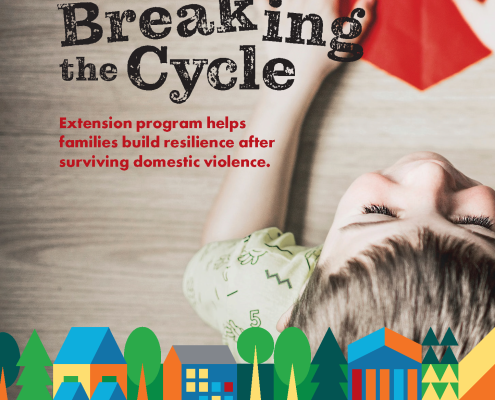
Heart & Hope breaking the Cycle

NTAE: Breaking the Cycle Feature Story

Capacity Building

NTAE: Capacity Building – Expanding Urban Extension Feature Story

Help shift southern West Virginia away from dependence on coal

NTAE: “Out of the Mines” Feature Story

My Hometown is cool

NTAE: “My Hometown is Cool” Feature Story

Community Seminar Series

NTAE: Community Seminar Series Feature Story

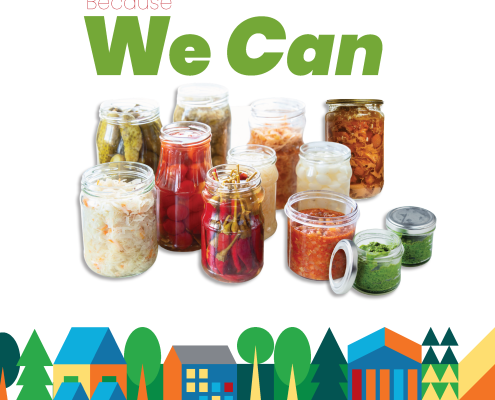
Food Safety Network

NTAE: “Because We Can” Food Safety Network Consortium Feature Story

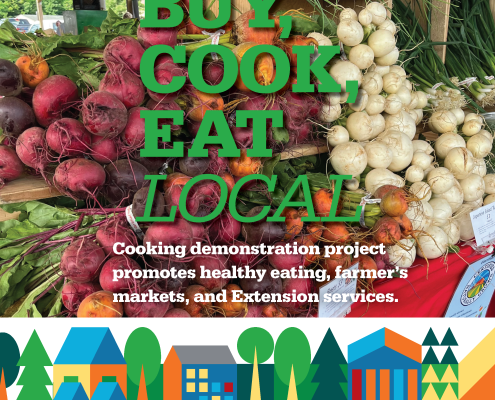
Buy Cook Eat Local

NTAE: Buy, Cook, Eat Local – Cooking Demonstrations Feature Story

Food Preservation

NTAE: “Community is Our Jam” Food Preservation Feature Story

2023 Yearbook

New Technologies for Ag Extension 2022-2023 Yearbook

Pumpkin Smash Playbook

Pumpkin Smash Playbook

Page 3 of 41234
Facebook
LinkedIn
Twitter
SoundCloud

Sign up for our Newsletter

Stay up to date with the Extension Foundation

subscribe

Quick Links

Find Extension in Your State
Search Extension
Impact Collaborative
Connect Extension

About
Team & Board
Annual Report
Contact Us

Membership
Campus
Ask Extension
Tools

Privacy Policy
Accessibility Statement
Terms of Use
Careers

Extension Foundation Logo

Our mission is to empower a national network of community-based educators, volunteers, and partners to turn knowledge into real-world solutions for stronger communities and people.

Terms of Use

Cooperative Extension Logo

The Extension Foundation is a nonprofit established in 2006 by Extension Directors and Administrators nationwide. Extension Foundation is embedded in the U.S. Cooperative Extension System and serves on Extension Committee on Organization and Policy (ECOP).

USDA National Institute of Food and Agriculture

This website is supported in part by New Technologies for Ag Extension (funding opportunity no. USDA-NIFA-OP-010186), grant no. 2023-41595-41325 from the USDA National Institute of Food and Agriculture. Any opinions, findings, conclusions, or recommendations expressed in this publication are those of the author(s) and do not necessarily reflect the view of the U.S. Department of Agriculture or the Extension Foundation.

Sign up for our Newsletter

Stay up to date with the Extension Foundation.

Subscribe
© 2026 Extension Foundation. All rights reserved.
  • Facebook
  • X
  • LinkedIn
  • Soundcloud
Scroll to top